
Loading...
Serving Minot, ND and surrounding areas. (701) 498-6599
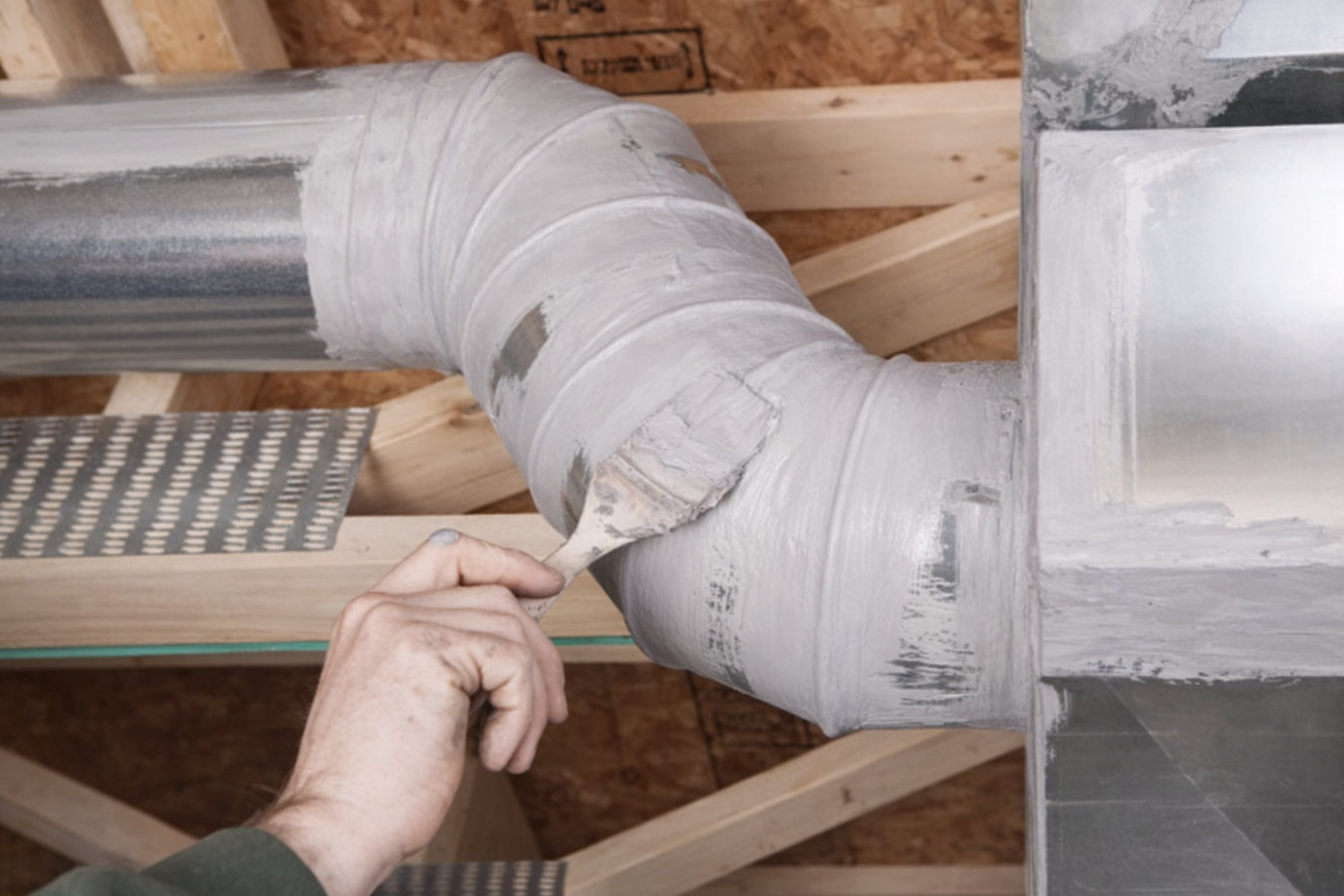
Drafts, ice dams, and high heating bills often come from the same source - air leaking in and out of your home. We find every gap and seal it, then prove it with before-and-after measurements.
Air sealing services in Minot find and close the hidden gaps, cracks, and openings in your home where outside air sneaks in and heated air leaks out - most jobs are completed in one day and measured before and after so you can see the improvement in writing.
A significant portion of Minot's housing stock was built in the 1950s through 1980s, before modern energy codes required tight construction. Those homes have had air leaking through them every winter since they were built - through attic floors, around basement rim joists, behind outlets on exterior walls, and everywhere a pipe or wire passes through a ceiling or wall. Add Minot's sustained winter winds and below-zero temperatures, and the result is a home that has to fight constantly to stay warm.
Air sealing works best alongside basement insulation, since rim joists and basement walls are often the largest sources of both air leakage and heat loss in older Minot homes. Addressing both in the same project delivers the most noticeable improvement.
If your gas or electric bill spikes sharply each November and stays high through March, your home may be working much harder than it should to stay warm. Minot winters are long and severe, and a home with significant air leakage can cost hundreds of dollars more per year to heat than a well-sealed one. If your furnace is healthy but bills still feel too high, air leakage is one of the first things worth investigating.
If you notice cold air near baseboards, around electrical outlets on exterior walls, or along the floor in rooms facing north or west, those are classic signs of air infiltration. In Minot's winters, these drafts are especially noticeable because the temperature difference between inside and outside is so extreme. These are not just comfort issues - they mean your heating system is constantly fighting cold air coming in from outside.
If you have seen thick ridges of ice forming along the edge of your roof, or noticed water staining on your ceilings after a freeze-thaw cycle, air leakage from your living space into the attic is likely part of the cause. Minot's heavy snowfall and prolonged cold make this a recurring concern. Addressing the air leakage in the attic floor is often the most effective long-term solution.
If one bedroom or a corner of your home never seems to reach a comfortable temperature no matter how high you set the thermostat, uneven air sealing is a likely culprit. Cold rooms are often located above garages, over crawl spaces, or at the end of the house farthest from the furnace - all areas where gaps in the building envelope are common.
We start every job with a blower door test - a fan-based diagnostic that pulls air out of your home and makes every leak easy to find. Most contractors skip this step and just spray foam in obvious spots, which is guessing rather than solving the problem. The test gives us a before number, tells us where to focus, and lets us give you an after number once the work is complete. The Building Performance Institute sets the professional standard for this kind of testing, and we follow it on every job.
The actual sealing work happens primarily in the attic, basement, and crawl spaces - not in your living areas. We use spray foam for larger gaps, caulk for smaller cracks, and rigid board for open areas like attic bypasses. We pair air sealing work with our attic air sealing and basement insulation services for homeowners who want to address the whole building envelope in a single project. The ENERGY STAR sealing and insulation program notes that combining both services in one visit often delivers the best cost-per-improvement ratio for homeowners.
Identifies exactly where air is leaking before any work begins, so sealing efforts target the highest-impact areas.
Closes gaps around light fixtures, plumbing penetrations, and framing in the attic floor, which is the most common source of heat loss in Minot homes.
Foam-seals the area where your floor framing meets the foundation wall, a major source of cold air infiltration in older homes.
Addresses the small gaps around electrical boxes, pipes, and wires on exterior walls that cause the drafts homeowners feel most directly.
Minot regularly sees winter temperatures drop to -20 degrees F or colder, and the city sits on open northern Plains with very little natural windbreak. Sustained winds of 15 to 25 mph are common throughout the winter, and those winds actively push cold air through gaps much more aggressively than still air does. A home that feels reasonably comfortable on a calm day can feel drafty and cold on a windy one. Air sealing is the most direct fix for that problem, and in Minot's climate the results are more dramatic than they would be in almost any other part of the country.
We serve homeowners across the region, including customers in Williston and Bottineau, but Minot is our home base. We know the older housing stock here - the ranch homes from the 1950s and 1960s, the two-story frames from the 1970s, and the rebuilt homes from the neighborhoods near the Souris River. Each era has its own common leak locations, and we know where to look in each one.
We respond within 1 business day. We will ask a few basic questions - the age of your home, whether you have an unfinished attic or basement, and what has been prompting your concern. This helps us come prepared with the right equipment.
A contractor visits and sets up a blower door test - a fan temporarily mounted in your front door that pulls air out of the house so leaks become easy to detect. The test takes about an hour and tells us exactly where to focus the sealing work.
The crew works primarily in the attic, basement, and crawl spaces - not your living areas. They seal gaps with foam, caulk, or rigid board depending on the size and location of each opening. Most jobs finish in a single day.
Once sealing is complete, we run the blower door test again and share the before-and-after numbers with you in writing - proof of the improvement, not just a receipt. We also confirm any ventilation concerns before leaving.
Free estimate, no pressure. We respond within 1 business day.
(701) 498-6599We measure your home's air leakage before we start and again when we finish. You get both numbers in writing so you can see exactly what changed. Very few contractors in the region offer this level of accountability - it is the clearest proof that the work delivered real results.
We document the scope, materials, and results in writing on every job, and we coordinate any permits your project needs through the City of Minot. You get a clear record of exactly what was done and how the home performs afterward.
We work efficiently so your daily routine is not disrupted for long. A typical Minot home is air sealed start to finish in a single day, with living areas left exactly as we found them. Larger homes with complex layouts may take two days, and we will tell you upfront which applies to yours.
We have worked on Minot homes from the 1940s through homes rebuilt after the 2011 flood, and we know the difference between what you find inside the walls of each era. That experience means we know where to look for leaks in your specific home, not just where the obvious ones are.
Air sealing is one of the few home improvement services where the results can be objectively measured before and after, and we think every homeowner deserves that proof. When you hire us, you will know exactly what you got for your investment.
Insulate your basement walls and rim joists to eliminate a major source of cold air entering from below.
Learn more →Target the attic floor specifically to stop warm air from escaping upward and causing ice dams on your roof.
Learn more →Contractor slots fill up fast once Minot temperatures drop - reach out now and get on the schedule before the cold season rush.