
Loading...
Serving Minot, ND and surrounding areas. (701) 498-6599
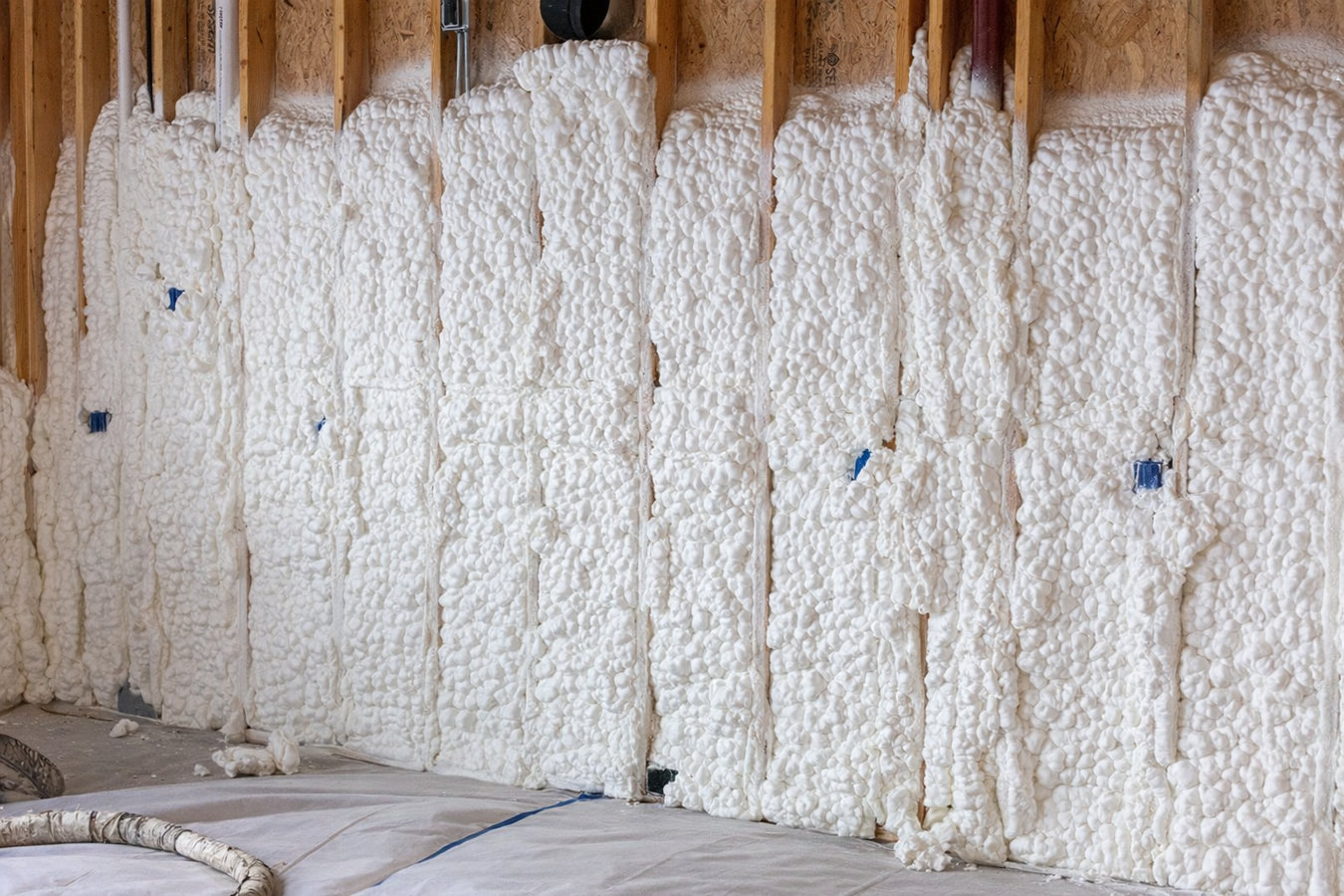
Closed-cell foam blocks air leaks and moisture in one step. It is the highest-performing insulation type for Minot winters and the right choice for crawl spaces, rim joists, and attic rooflines.
Closed-cell foam insulation in Minot seals every crack it touches and resists moisture at the same time - most attic, crawl space, and rim joist jobs are completed in a single day, and the foam is fully cured within 24 hours.
Minot averages January lows around -5 degrees F, with stretches well below -20 degrees F during severe cold snaps. At that temperature, the difference between insulation that just fills a cavity and insulation that seals every gap is the difference between a furnace that keeps up and one that runs all night. Closed-cell foam hardens into a rigid layer that blocks both air movement and water vapor - two of the main ways a Minot home loses heat and gains moisture problems.
Homeowners considering foam often also look at full spray foam insulation options for their home, which can combine closed-cell and open-cell products in different areas depending on what each space needs.
If your gas or propane bill has crept up year after year, or runs noticeably higher than a neighbor in a similar house, heat is likely escaping through gaps in your walls, attic, or crawl space. In Minot's winters, even small air leaks force your furnace to run almost constantly, and the cost adds up fast.
If one corner of the house, a room above the garage, or a bedroom on the north-facing side never reaches a comfortable temperature, the insulation in that area is likely failing or was never adequate. In Minot, where wind chills can make outdoor temperatures feel like -40 degrees F, that room can become genuinely unusable in winter.
Hold your hand near an electrical outlet on an exterior wall on a cold day. If you feel a draft, air is moving through gaps in the wall cavity. The same test works along the top of your basement walls where the floor framing meets the foundation - those rim joist areas are one of the most common heat-loss points in older Minot homes.
Minot's spring snowmelt can push moisture into crawl spaces and lower-level areas. A musty smell, visible condensation on pipes, or frost on basement walls in winter signals that moisture is getting in and the space is not adequately sealed - all problems closed-cell foam addresses directly.
We apply closed-cell foam in the areas where it makes the biggest difference for a Minot home: basement rim joists, crawl space walls, attic rooflines, and exterior wall cavities. Each of these areas is a spot where air leaks and moisture combine to undermine your home's ability to hold heat through winter. We also work alongside open-cell foam insulation where it makes sense - interior partition walls and soundproofing applications where density and moisture resistance are not the priority.
What sets closed-cell foam apart is that it does not shift, settle, or leave gaps over time the way batt or blown-in insulation can. Once it cures, it is there for the life of the building. We measure thickness as we go and do not sign off on a job until the coverage is right - thin spots in corners or at edges are exactly where cold air finds its way in during a Minot cold snap.
Seals foundation walls against cold air, moisture, and soil gases - the right choice for Minot homes with spring snowmelt risk.
Fills the most common heat-loss gap in older Minot homes in one fast application, insulating and sealing simultaneously.
Applied to the underside of the roof deck for unvented attic assemblies - keeps attic temperature stable and stops ice dam formation.
Best for walls with irregular framing, gaps, or no existing insulation that other materials cannot fill completely.
North Dakota requires higher minimum insulation performance than most states because of the climate - and Minot sits at the cold end of even that range. Homes built before the mid-1990s were insulated to standards that fall short of what this climate actually demands. Many have rim joists, crawl space walls, or attic knee walls that are completely bare. Closed-cell foam is particularly well suited to these older homes because it conforms to irregular surfaces and fills the gaps that cut-and-fit materials leave behind. The Spray Polyurethane Foam Alliance provides homeowner resources on what to expect from a quality spray foam installation.
We serve homeowners across the region, including customers in Dickinson and Watford City, but our home base is Minot. We know which neighborhoods were rebuilt after the 2011 Souris River flood and what that means for crawl space conditions, and we know the housing patterns well enough to know what we are likely to find before we open the access hatch.
We respond within 1 business day. We will ask a few basic questions about your home - the areas you want insulated, the age of the home, and any specific problems you have noticed. No technical knowledge required on your end.
A technician walks through the areas you want insulated and checks for moisture, mold, or structural issues that should be addressed before foam is applied. You get a written estimate covering exactly what will be done.
Clear stored items from the work area before the crew arrives. The crew sets up outside, covers adjacent surfaces, and sprays the foam in layers. The foam hardens within seconds of application. Most jobs are done in one day.
Stay out of the treated area for at least two hours - your contractor will give you a specific re-entry time. Before leaving, the crew walks you through the finished work and points out anything flagged during the job.
No sales pressure - just a written quote and honest advice about whether closed-cell foam is the right choice for your specific home.
(701) 498-6599We assess for water intrusion before any foam goes on. Spraying over a damp or moldy surface traps the problem rather than solving it. In Minot, where spring snowmelt is a recurring factor, this check is part of the job - not an optional add-on.
Minot sits in one of the coldest climate zones in the country. We apply closed-cell foam to the thickness your home actually needs for this climate, not the bare minimum. A thinner application might save money upfront but will not perform through a North Dakota winter.
A significant portion of Minot's housing was built before modern energy codes took effect. We regularly find rim joists, crawl space walls, and attic knee walls that are bare or under-insulated in homes from the 1950s through 1980s - and we know what it takes to address them properly.
When a permit is required for your project, we handle pulling it through the City of Minot. A permit means an inspector confirms the work meets local standards - which protects you, not just us. You get documented work and a clear record of exactly what was installed.
Closed-cell foam is an investment, and we treat it that way. Every job we complete in Minot gets a walkthrough before we leave so you can see exactly what was done and where. The EPA provides guidance on spray polyurethane foam safety - including re-entry times and what to expect during and after installation - which we follow on every project.
A softer, more flexible foam type suited for interior walls, soundproofing, and spaces where moisture resistance is less of a priority.
Learn more →An overview of both closed-cell and open-cell spray foam options, with guidance on which type fits different areas of your home.
Learn more →Call us today or submit a request online - we will respond within 1 business day with a free written estimate before Minot's heating season hits full stride.