
Loading...
Serving Minot, ND and surrounding areas. (701) 498-6599
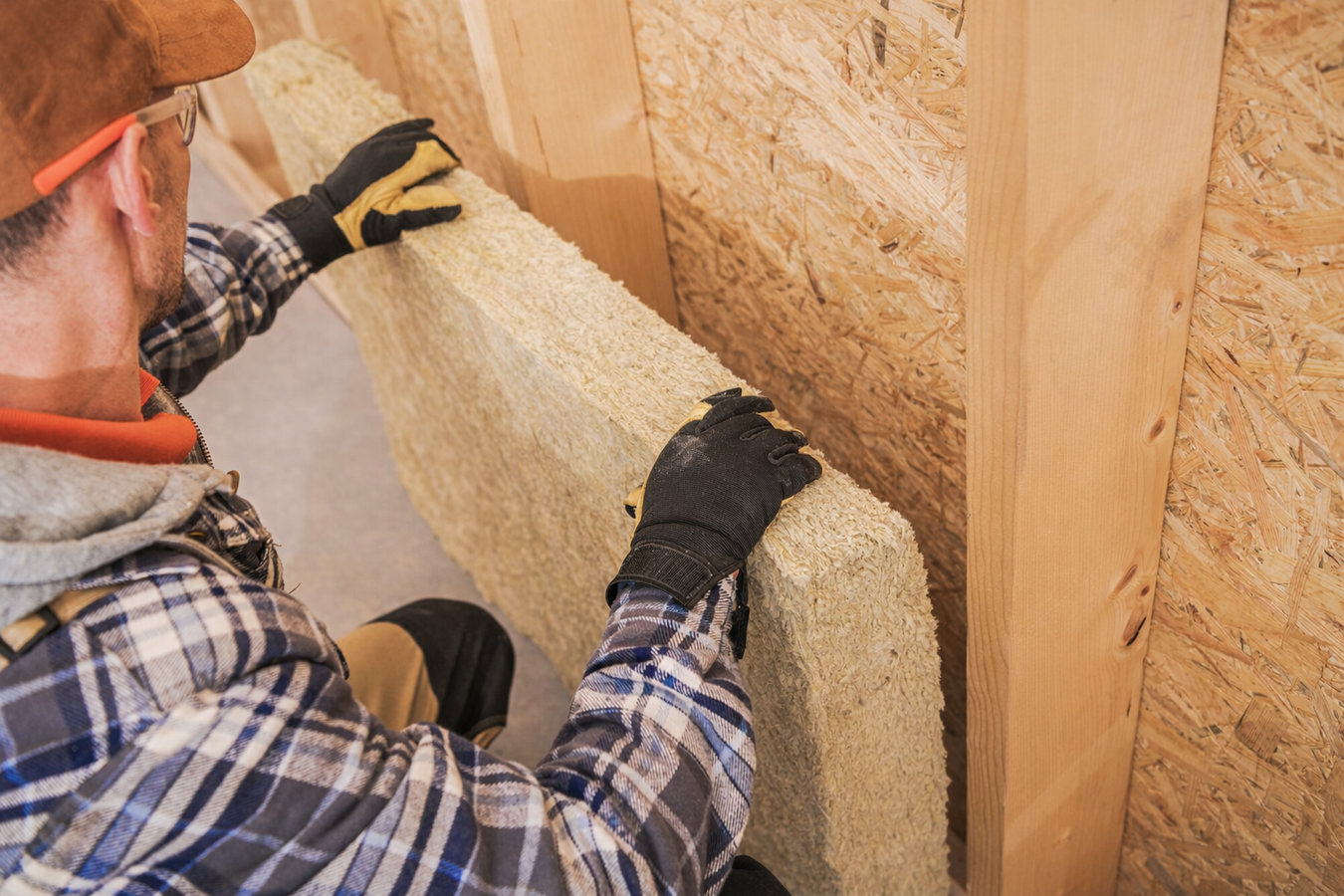
Cold rooms, high heating bills, and drafty outlets are fixable problems. Wall insulation fills the cavities that have been letting Minot winters in and your heating dollars out.
Wall insulation in Minot fills the cavities inside your exterior walls to slow heat from escaping - most jobs are completed in a single day without removing any drywall, and homeowners notice fewer cold drafts within the first few days.
A large share of Minot homes were built between the 1940s and 1970s, when wall insulation standards were minimal by today's measures. Many of those homes have hollow wall cavities or insulation that has settled and lost effectiveness over decades. If your home was built before 1980 and has never had insulation work done, your walls are likely contributing to high heating bills and cold rooms every single winter.
Wall insulation pairs naturally with air sealing services, which closes the small gaps around outlets and pipes that let wind-driven cold air in even when the main cavity is filled. Together, they address both heat loss and air infiltration at the same time.
If your gas or electric bill climbs sharply every October and stays high through April, missing or degraded wall insulation is one of the most common causes. Minot winters are long and severe, so even a moderate insulation gap translates into hundreds of extra dollars per heating season. If your furnace is in good shape and the bills are still high, the walls are the next place to look.
Hold your hand near an electrical outlet or light switch on a wall that faces outside. If you feel a noticeable draft or the plate feels cold to the touch, air is moving through the wall cavity. In Minot's windy winters, this is a very common sign that the wall has gaps, either from missing insulation or air leaks that need sealing alongside the insulation work.
Minot's prevailing winter winds come primarily from the north and northwest. If the rooms on those sides of your house are consistently harder to heat, even with the thermostat turned up, the walls on those exposures may have less insulation than they should. This is especially common in older homes where insulation was installed unevenly or has settled over time.
Homes built in Minot before modern energy codes were adopted often have little or no insulation in the exterior wall cavities. If you have lived in your home for years and cannot recall any insulation work being done, it is worth having a contractor take a look. A simple probe through a small test hole can tell you what is actually in your walls without any major disruption.
For most finished homes in Minot, we use dense-pack blown-in insulation - a method that fills existing wall cavities through small holes drilled in the siding or drywall, with no major demolition involved. The material is packed tightly so it will not settle over time, and the holes are patched before we leave. This approach is ideal for the pre-1980 ranch homes and two-story wood-frame houses that make up so much of Minot. If walls are open during a renovation, we install fiberglass batt insulation between studs before drywall goes up - a faster and less expensive option when the cavities are already exposed.
No matter which method applies to your home, we work alongside our air sealing and blown-in insulation crews to make sure the wall cavity is filled completely and the surrounding gaps are sealed. The result is a wall that holds heat instead of leaking it. The U.S. Department of Energy estimates properly insulating a home can cut heating and cooling costs by 10 to 20 percent - in Minot, that savings adds up quickly over a long heating season.
Best for finished walls in older Minot homes - fills existing cavities without removing any drywall.
Fits homes with open walls during renovation, installed between studs before drywall goes up.
A retrofit option suited for homeowners looking for a material with recycled content and good thermal performance.
Pairs insulation work with gap sealing around outlets and pipes for homes where drafts are the main complaint.
Minot sits in one of the coldest climate zones in the continental United States, with average January lows near -5 degrees F and regular stretches of -20 degrees F or colder. Minot is also one of the windier cities in North Dakota, with sustained winds that regularly push cold air through even small gaps in a wall assembly. That combination - extreme cold plus persistent wind - makes under-insulated walls far more costly here than they would be in almost any other American city. Homeowners often notice the difference most during January cold snaps, when heating systems run constantly trying to compensate for walls that are not holding heat.
We serve homeowners across north-central North Dakota, including customers in Hazen and Rugby, but Minot is our home base and where we know the housing stock best. If you want to understand whether your utility provider offers rebates for wall insulation, the Montana-Dakota Utilities energy efficiency page is a good place to start before you schedule any work.
We respond within 1 business day. We will ask about your home's age, square footage, and whether you have noticed any specific cold spots or drafts. No technical knowledge required on your end.
A contractor visits your home to assess what is currently in your walls. They may use a thermal camera or probe a small test hole to check existing insulation levels. You get a written estimate before anything starts.
The crew drills small holes at each wall cavity, inserts a fill tube, and blows material in until the cavity is full. Most homes are completed in a single day. You can stay home, but many homeowners prefer to be out during the noisiest part of the work.
Every drill hole is patched and matched to your siding material before the crew leaves. You do a walkthrough with the contractor before they go to confirm you are satisfied with the patching and the finished result.
Free estimate, no pressure. We respond within 1 business day.
(701) 498-6599Every wall job starts with a free written estimate that spells out the scope, materials, and final R-value before we ever set foot on your property. You know exactly what the work involves and what it costs, with no surprises once the crew arrives.
A large share of Minot's homes were built between the 1940s and 1970s, and we know exactly what those wall cavities look like. We have worked on pre-1980 ranch homes near Roosevelt Park and on post-flood rebuilds near the Souris River, and we know the difference between what you find in each.
We work efficiently so your home is not tied up for days. For a typical Minot single-family home, blown-in wall insulation is completed in a single day, with all holes patched and the work area cleaned before we leave. You are back to your normal routine the same evening.
You will never be surprised by the final number. We provide a written estimate that specifies the material, coverage area, and expected result before a single hole is drilled. If anything changes during the job, we tell you before we proceed.
Wall insulation is one of those jobs where the quality of the work is hidden the moment the holes are patched. We take that seriously, which is why we do a walkthrough with you before we leave so you can see the finished work rather than just take our word for it.
Close the hidden gaps that let cold air into your home, often the missing piece after insulation is in place.
Learn more →The loose-fill method used for most finished walls, delivering complete cavity coverage without opening up drywall.
Learn more →Contractor schedules fill up fast once temperatures drop - reach out today and lock in your date before the cold season rush.