Loading...
Serving Minot, ND and surrounding areas. (701) 498-6599
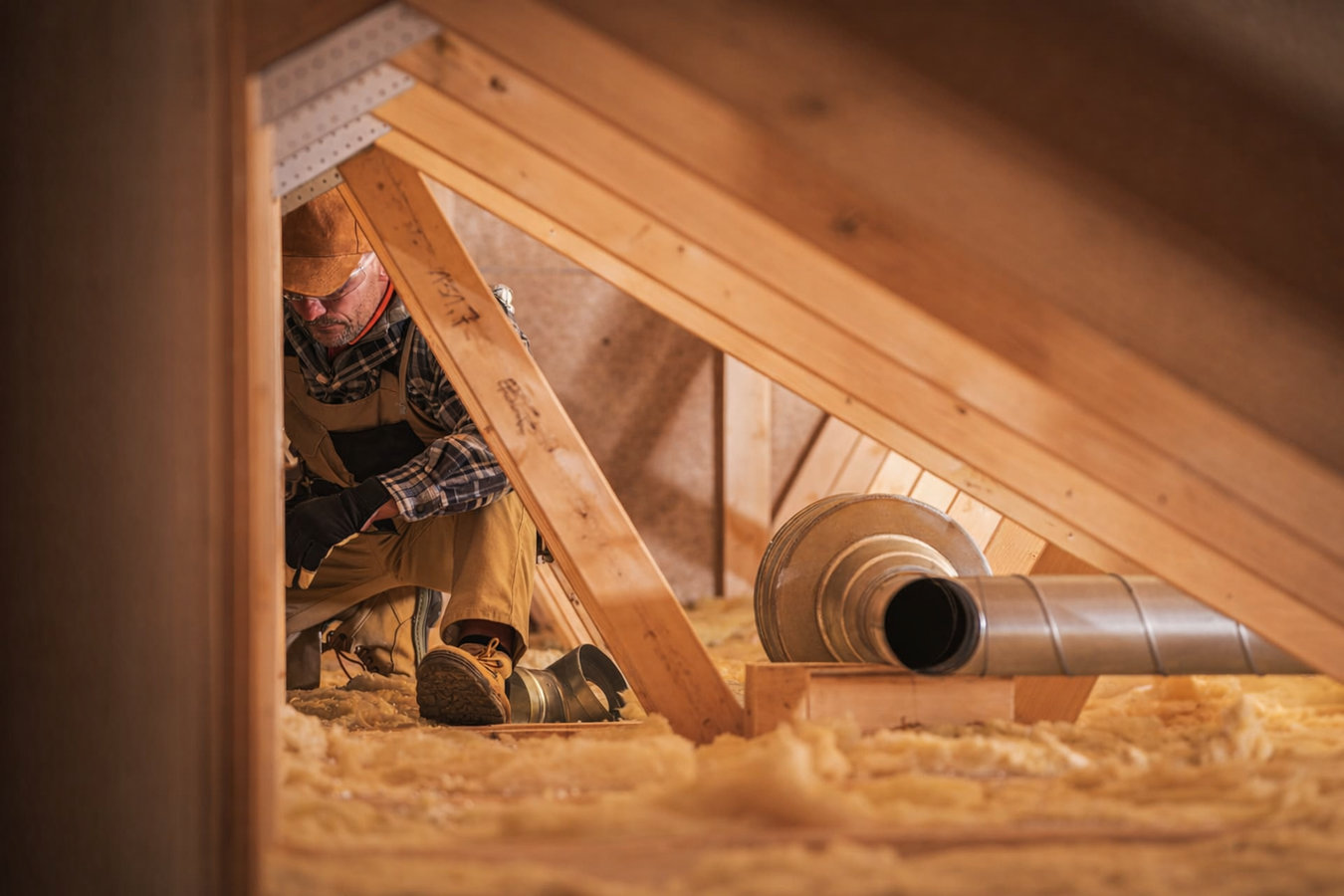
Most Minot homes lose heat through the attic, walls, and foundation all winter long. A complete insulation upgrade stops the bleeding and pays you back every heating season.
Home insulation in Minot covers every area where heat escapes - attic, walls, crawl space, rim joists, and basement - bringing each one up to the recommended performance level for Climate Zone 7. Most residential projects are completed in one to two days, and you can stay in your home during the work. Minot sits in one of the coldest climate zones in the country, with average January lows around -5F and wind chills that regularly push far below that. Homes built before 1990 were typically insulated to far lower standards than what is recommended today, and that gap costs you real money every single winter.
The attic is almost always the highest-priority upgrade, but many Minot homeowners benefit from addressing multiple areas in a single project. Insulation removal is sometimes needed if old material has been damaged or contaminated, and retrofit insulation lets us add coverage to existing walls and spaces without tearing the house apart.
A good contractor will assess the whole home, explain what you need in plain terms, and show you the priority order based on where the biggest heat losses are happening. Air sealing goes hand in hand with insulation - sealing gaps before adding coverage is what makes the upgrade work the way it should.
If your gas or electric bill seems to climb every winter even when you have not changed your habits, under-insulation is one of the most common causes. Minot's long heating season means even a modest efficiency gap adds up to real money. If bills have crept up or you are spending noticeably more than neighbors with similar-sized homes, an insulation assessment is worth it.
In Minot winters, wind chill is a real factor even inside your home if the building envelope has gaps. If one bedroom or the area near your exterior walls feels drafty or significantly colder than the rest of the house, that is a sign cold air is getting in and warm air is getting out. This is especially common in older homes.
When warm indoor air meets a cold surface like a poorly insulated wall or window frame, moisture condenses and can eventually freeze. If you are noticing frost on the inside of windows, damp spots on walls near the floor, or ice at the base of exterior walls, your home's insulation and air sealing likely need attention. Left unaddressed this can lead to mold and structural damage.
Ice dams - the ridges of ice that form at the edge of a roof after a snowfall - are a classic sign that heat is escaping through the attic and melting snow unevenly. Minot homeowners see ice dams regularly, and they can cause water to back up under shingles and leak into the home. Improving attic insulation and ventilation is almost always part of the solution.
We start with a complete walk-through of your home - attic, basement, crawl space, and rim joists - and measure what you currently have in each area. We look for air bypasses and any signs of moisture or structural issues that need to be addressed first. Then we explain exactly what we recommend, in priority order, and why. You get a written estimate that breaks down each part of the project. Some homeowners choose to do the whole house at once, while others start with the attic and add other areas later. Insulation removal may be needed if old material is damaged, and retrofit insulation lets us upgrade without opening walls from the inside.
Air sealing is included as part of every job. We seal gaps around pipes, wires, and fixtures before adding insulation - this step is what makes the upgrade effective. Insulation alone only works when the building envelope is tight.
The highest-return upgrade for most Minot homes, and the first area we recommend if you are prioritizing based on cost savings.
Retrofitting wall cavities with blown-in material, done through small access holes that are patched afterward - no interior demo required.
Critical for stopping cold air infiltration at the foundation level, especially in older Minot homes where the ground freezes deeply every winter.
Upgrading basement walls and ceiling joists to make finished or semi-finished spaces more comfortable and prevent heat loss through the slab.
Minot's winters are among the harshest in the continental United States. The federal government places Minot in Climate Zone 7, with recommended attic insulation levels significantly higher than what most older homes were built with. Many homes in Minot were constructed in the 1950s through 1980s when insulation requirements were far less stringent. Minot's freeze-thaw cycle and wind exposure also create specific risks in crawl spaces and rim joists - cold air and moisture can enter through the foundation area and cause problems that are easy to overlook but have a big impact on comfort on the main floor.
Homeowners across the Minot area - from older neighborhoods near Minot to nearby communities like Bottineau - face the same Climate Zone 7 demands. A proper whole-home insulation upgrade to recommended levels is one of the highest-return projects a homeowner in this region can do. The Department of Energy estimates that homeowners can save up to 15% on heating and cooling costs by air sealing and adding insulation, and in a place like Minot where heating bills run high through a long winter those savings compound year after year. The U.S. Department of Energy insulation page has detailed guidance on recommended R-values by climate zone.
Call or submit a request online and we respond within 1 business day. We will ask a few basic questions about your home and what areas you are concerned about. We schedule an in-home assessment within a few days.
We visit your home and inspect the attic, crawl space, and any other areas of concern. We check how much insulation is currently in place, look for air leaks, and assess whether moisture or ventilation issues need to be addressed first. This visit takes 30 to 60 minutes.
You receive a written quote that explains what work is recommended, what materials will be used, and the total cost. We explain why we are recommending each item - not just hand you a number. This is a good time to compare quotes and ask whether any rebates or tax credits apply.
Most residential insulation projects in Minot are completed in a single day. Larger projects that include crawl space, rim joists, and attic together may take a full day or run into a second. You can stay in your home during the work. We walk you through the completed work before leaving.
We respond within 1 business day. This estimate is completely free with no obligation. Once you submit, someone from our office will call to schedule a free whole-home assessment at your convenience.
(701) 498-6599Heat escapes from multiple places in a home - attic, walls, foundation, and rim joists. We walk through every area, measure what you currently have, and explain what we find. You get a clear picture of where your home stands and what the priority order should be based on where the biggest heat losses are happening.
Insulation only works when the building envelope is sealed tight. We seal gaps around pipes, wires, outlets, and fixtures before or during insulation work. Skipping this step is one of the most common shortcuts that leaves homeowners disappointed with their energy bills afterward. We treat it as part of the core job.
We have worked on a large share of the post-1950s housing stock across Minot, from original mid-century homes to those rebuilt after the 2011 flood. We know what to expect in older construction and how to handle the mix of materials you find in this area. That local experience translates to better results and fewer surprises.
We come to your home, measure what is there, and tell you exactly what we recommend and why. You get a written quote that breaks down each part of the project. There is no minimum charge to find out what your home needs, and we are happy to answer questions without pushing you toward a decision.
Every home insulation project we do is measured to the recommended performance level for Minot's Climate Zone 7. We stand behind the work with documentation of what was installed.
Have a question not covered here? Give us a call and we will answer it straight.
Safe removal of old, damaged, or contaminated insulation before installing new material in your attic, walls, or crawl space.
Learn more →Upgrading insulation in existing walls, floors, and hard-to-reach spaces without opening walls or disrupting finishes.
Learn more →Get a complete whole-home insulation assessment now and schedule your upgrade before the next heating season hits.