
Loading...
Serving Minot, ND and surrounding areas. (701) 498-6599
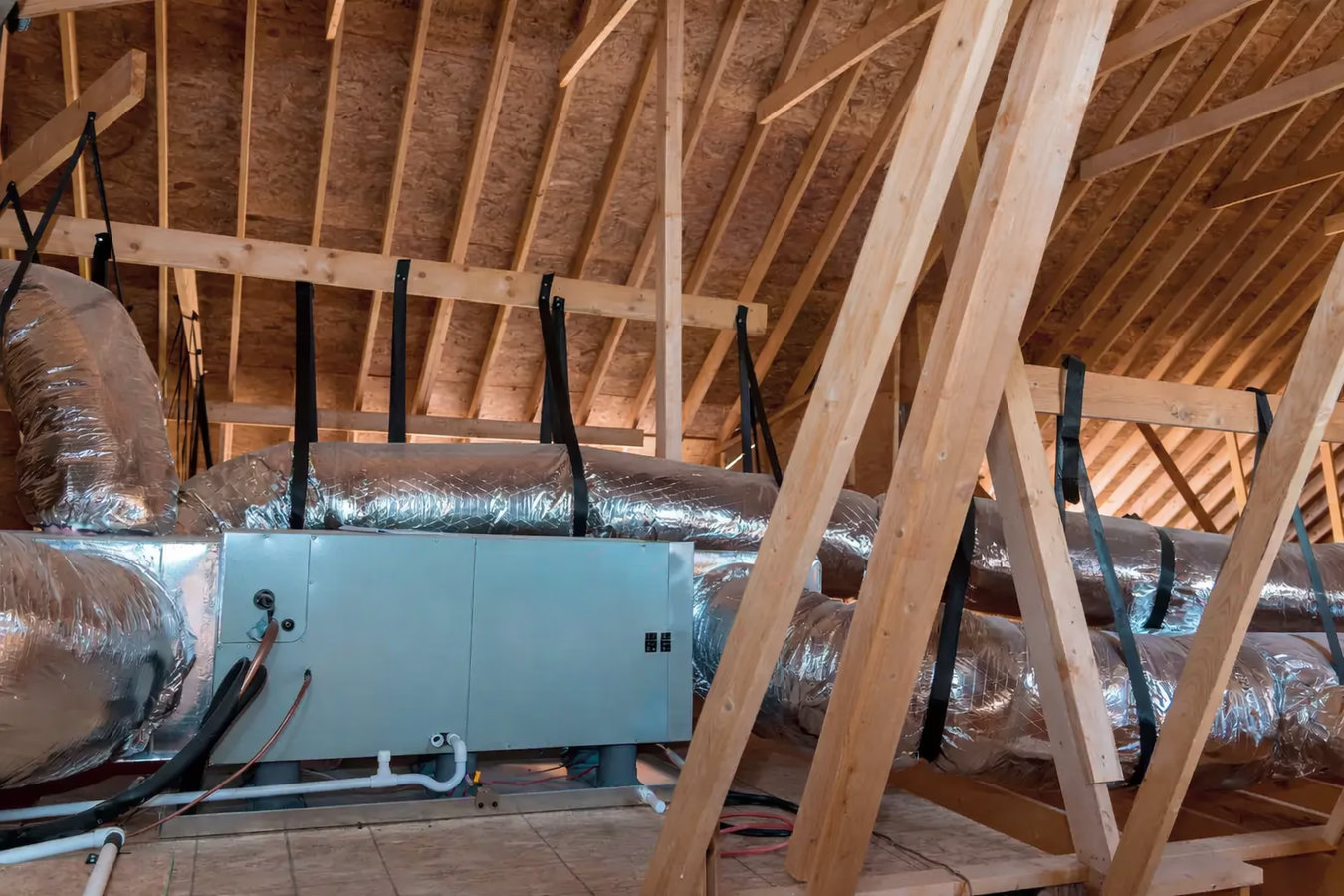
Hidden gaps in your attic let heat pour out all winter. Sealing them stops ice dams, cuts heating bills, and makes your home more comfortable from the first cold night of the season.
Attic air sealing in Minot closes all the small gaps, cracks, and openings in your attic floor where heated air escapes from your living space - most jobs are completed in one to two days, and homeowners typically notice lower bills and fewer ice dam problems within the first heating season.
Minot regularly sees temperatures drop below -20 degrees F, and the city averages more than 180 days per year below freezing. That sustained cold puts enormous pressure on every gap in your home's ceiling. Warm air is constantly trying to escape, and even small openings become expensive leaks you pay for all winter long. Attic air sealing delivers a bigger return here than it would in a milder climate precisely because the pressure on your home's envelope is so extreme.
Most homes built in Minot before the 1990s were never sealed to modern standards. If you are also dealing with thin insulation, pairing air sealing with retrofit insulation gives you the biggest improvement in comfort and energy savings. Sealing first, then adding insulation on top, is the order that gets results.
If your gas or electric bill has been creeping up year after year but your habits have not changed, air leaking out of your attic is one of the most likely culprits. In Minot, where furnaces run hard from October through April, even moderate air loss adds up to hundreds of dollars a year. A noticeably higher bill in a cold winter is worth investigating before you assume it is just the price of energy going up.
Ice dams, those thick ridges of ice that build up along the edge of your roof, are a direct sign that warm air is escaping through your attic and warming the roof deck. Minot homeowners who see icicles forming along the eaves or water staining on interior walls after heavy snow should treat this as a warning. Sealing the attic is often the most effective fix, protecting your roof and walls from future water damage.
If the upstairs bedrooms or rooms directly below the attic feel noticeably colder than the rest of the house, air is likely moving in ways it should not. This is not just a comfort issue - it means your furnace is working harder than it needs to. Rooms that are hard to heat in January are often the clearest sign that the attic above them has not been sealed.
The pull-down attic stairs or hatch cover is one of the most common air leak points in any home, and it is one you can check yourself. If the hatch feels noticeably cold when you touch it from below on a winter day, or if you can feel a draft near it, warm air is escaping around the edges every time the furnace runs. This is a quick, observable test that takes about 30 seconds.
We inspect the attic floor systematically before any work begins, identifying every gap and penetration that needs to be addressed. The most common leak points are around recessed light fixtures, plumbing and electrical penetrations, the tops of interior walls, the attic hatch or pull-down stairs, and anywhere the chimney or ductwork passes through the ceiling plane. You typically cannot see most of these from below - which is exactly why a professional assessment matters before you spend money on insulation alone.
Air sealing and attic insulation work best together. Insulation slows heat from moving through solid materials, but it cannot stop air from flowing through gaps. We recommend sealing all significant penetrations first, then adding or refreshing insulation on top. Doing them in the right order is what separates a job that delivers comfort and savings from one that leaves half the benefit on the table.
Ideal for homes with older can lights that open directly into the attic - one of the biggest heat loss points in any home.
Suits any home where pipes and wires run up through interior walls into the attic without proper blocking.
Closes the gap at the top of every interior wall where heated air escapes into the attic cavity.
For homeowners who feel a draft around their attic access and want a quick, high-impact fix.
The complete service for older homes where gaps are numerous and scattered across the entire attic floor.
Best for homeowners who want to handle both problems in a single visit and a single written scope of work.
A significant share of Minot's single-family homes were built in the 1950s through 1980s, before builders paid much attention to air sealing. Homes from that era have gaps that were simply accepted as normal at the time. If your home is more than 30 or 40 years old, there is a very good chance the attic has never been properly sealed - and the energy loss has been quietly adding to your utility bills ever since. Minot also gets roughly 40 inches of snow per year that stays on the roof for months. When attic air sealing is missing, that snow melts unevenly and ice dams form along the eaves, forcing water under shingles and into walls.
We serve homeowners across the region, including customers in Rugby and Harvey, where the same ice dam and heat loss problems show up year after year. The University of Minnesota Extension research on ice dams confirms that attic air sealing is one of the most effective preventive measures available, and it is especially critical in climates like ours where freeze-thaw cycles happen repeatedly throughout the winter.
Call or submit a request online and we will ask a few basic questions about your home, its age, and any problems you have noticed. We reply within one business day and can usually schedule an assessment within a week or two.
A contractor visits your home and inspects the attic before quoting a price. We look at every gap, penetration, and access point. Some contractors also run a blower door test at this stage to measure exactly how much air is leaking before any work begins.
You receive a written estimate in plain language that explains what will be sealed, what materials will be used, and the total cost. We also flag any applicable utility rebates or federal tax credits that may apply to your project.
The crew works through the attic systematically, applying foam or caulk around every gap identified during the assessment. Most jobs are completed in a single day. A thorough contractor will run a follow-up blower door test and walk you through the results before leaving.
No pressure, no obligation. We will look at your attic, tell you exactly what we find, and give you a written estimate you can sit with before making any decision.
(701) 498-6599We work on homes across Ward County and the surrounding region, including properties near Roosevelt Park and the older blocks close to downtown. We know what the climate does to attics here and come prepared for it.
Montana-Dakota Utilities and Xcel Energy both offer rebate programs for qualifying air sealing work in the Minot area. We know which programs are currently active and can help you document the work correctly so your application goes through without issues.
We test your home before and after the work using a blower door to give you a real number showing the improvement. That proof matters, especially when you are applying for a utility rebate or federal tax credit.
Demand for attic air sealing in Minot spikes every September and October as homeowners prepare for winter. We schedule early-season appointments in late summer so you are not scrambling when the first hard freeze arrives.
Attic air sealing is one of those jobs where shortcuts are invisible until winter arrives and the bills show up. We do the assessment, the testing, and the documentation so you know the work was done right - and you have the paperwork to prove it when you apply for a rebate or tax credit.
Add insulation to your existing attic, walls, or crawl space without a major renovation.
Learn more →Bring your attic insulation up to the depth Minot's climate actually requires.
Learn more →Fall booking slots fill up fast - call today or request a free estimate online and have your home sealed before the first hard freeze of the season.