
Loading...
Serving Minot, ND and surrounding areas. (701) 498-6599
Cold floors and climbing heating bills are signs your basement is working against you. Proper insulation creates a barrier that keeps warmth in and Minot winters out.
Basement insulation in Minot creates a thermal barrier between the cold ground and your living spaces - most jobs are completed in one day, and homeowners typically feel the difference within their first heating season.
Nearly every home in Minot has a full basement, and most of those basements are under-insulated. The city sits in one of the coldest climate zones in the continental United States, with frost reaching roughly 60 inches into the ground during a hard winter. That cold pushes through foundation walls constantly from October through April, pulling heat out of your home and forcing your furnace to work harder than it should.
If your basement walls and rim joist have never been insulated - or if the insulation is original to a home built before the 1990s - addressing that is one of the highest-impact upgrades you can make. Many Minot homeowners also pair this work with crawl space insulation to close every cold pathway into the home at once.
If the floors on your main level feel noticeably cold in winter, heat is escaping upward through an under-insulated floor assembly. In Minot's winters, this is one of the most common complaints homeowners have before they insulate. Your basement is acting as a cold zone that drains warmth from the rest of your home.
If your gas or electric bills seem high relative to similar homes nearby, or have increased without a clear explanation, poor basement insulation is often a factor. Minot homeowners heat their homes for six or more months a year, so even a modest improvement in insulation can produce meaningful savings.
Frost forming on the inside of a basement wall in winter is a clear sign that cold is moving through unchecked. White chalky deposits or water stains suggest moisture is also getting in. Both conditions need to be addressed - and moisture must be resolved before insulation goes in.
Minot's deep frost line - around 60 inches below grade - and extended cold season make frozen pipes a real risk in uninsulated basements. If you run a trickle of water on cold nights just to be safe, your basement is too cold. Insulating the walls and rim joist area can change that.
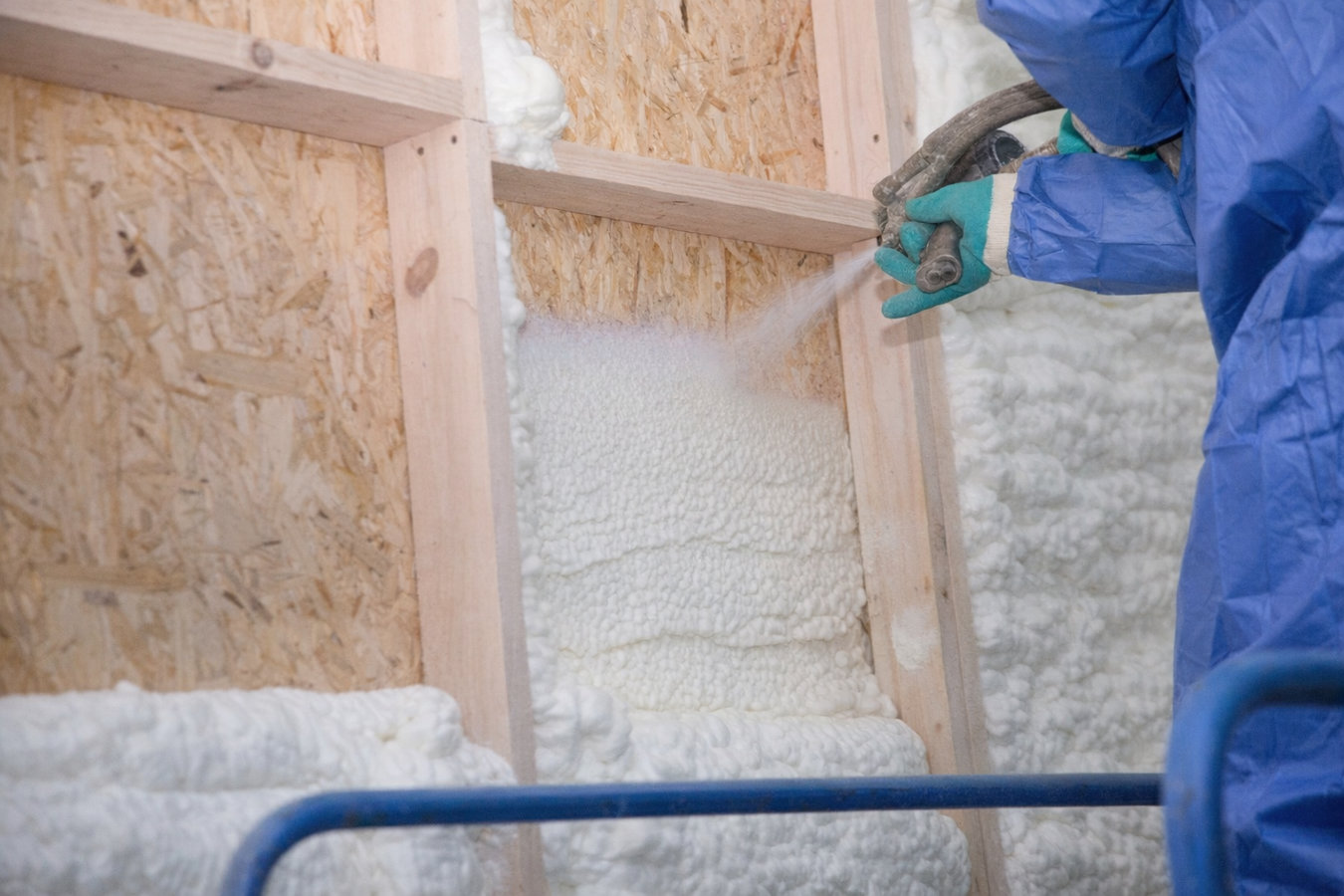
We install both rigid foam board and spray foam for basement walls, depending on which material fits your basement conditions and budget. Rigid foam board is cut to fit and fastened to the walls - it works well in dry basements and is a cost-effective way to meet the higher insulation requirements Minot homes need. For basements with irregular surfaces, gaps around pipes, or any history of moisture, closed-cell foam insulation is the stronger choice: it fills every gap, seals air leaks, and resists moisture at the same time.
We always include the rim joist - the framing that sits directly on top of your foundation walls - because it is one of the biggest sources of heat loss in older Minot homes and is often left out by contractors who quote a lower price. Every estimate we provide covers both the walls and the rim joist so you understand exactly what is included before any work begins.
A solid, affordable option for dry basements that need wall insulation to meet Minot's cold-climate requirements.
Best for basements with irregular surfaces, gaps around pipes, or any moisture history - seals and insulates in one pass.
Targets the most common heat-loss gap in older Minot homes - the framing band at the top of your foundation walls.
Suited for unfinished basements where the priority is protecting the floor above rather than conditioning the basement itself.
Minot averages January lows around -5 degrees F, and heating season stretches from October through April. A large share of the city's homes were built in the postwar era - before energy codes required meaningful basement insulation. If you live in one of those homes and the insulation has never been updated, the cold that pushes through your foundation walls every winter is costing you money every single month. Homes near the Souris River also face seasonal moisture from spring snowmelt, which means a moisture check before insulating is not optional - it is part of doing the job right.
We work on homes across the region, including customers in Beulah and Hazen, but Minot is home base. We know the housing stock here - from the rebuilt neighborhoods near Roosevelt Park to the older blocks on the north side - and we know what each one typically needs before insulation goes in.
We respond within 1 business day. We will ask a few basic questions - your basement size, whether it is finished or unfinished, and if you have had any water issues - so we come prepared.
A contractor walks through your basement and checks the walls, rim joist, and any signs of moisture. This visit takes 30 to 60 minutes, and you get a written estimate before anything starts.
Before the crew arrives, clear items away from basement walls. Most jobs take one full day. If spray foam is used, the treated area will have a strong smell for a few hours while it cures.
The contractor shows you the finished work, confirms the rim joist was addressed, and answers any questions. If you plan to apply for a utility rebate through MDU or Xcel Energy, this is the time to request the documentation you will need.
No pressure, no obligation. Just a written quote and a straight answer about what your basement actually needs.
(701) 498-6599We inspect for water intrusion before any insulation goes in - because installing over a damp wall traps moisture and leads to mold. In Minot, where spring snowmelt is a real factor, this step is not optional.
The rim joist - the framing at the top of your foundation walls - is one of the biggest heat-loss points in older Minot homes. Every estimate we write includes it. A quote that skips the rim joist is not actually a complete job.
Minot's frost line reaches roughly 60 inches below grade. We insulate the full height of basement walls, not just the above-grade portion, because cold travels through foundation walls from the bottom as well as the top.
Montana-Dakota Utilities and Xcel Energy both serve the Minot area and offer insulation rebate programs. We provide the documentation you need to apply, and we know which programs are currently active. Learn more at the U.S. Department of Energy energy saver site.
Every basement insulation job we do in Minot is built around the same principle: check first, then install correctly. That means no skipped rim joists, no insulation over damp walls, and no guessing about what your home actually needs. The U.S. Department of Energy notes that properly insulating and air-sealing a basement can cut heating and cooling costs by 10 to 20 percent - and in Minot, where heating season runs more than half the year, that is a meaningful number.
The highest-R-value foam type for Minot winters - seals moisture and air leaks in basement walls and rim joists in a single application.
Learn more →If your home has a crawl space instead of a full basement, targeted insulation there stops the same cold-floor and pipe-freeze problems.
Learn more →Minot winters do not wait - call us today or submit a request and we will get back to you within 1 business day with a free written estimate.