
Loading...
Serving Minot, ND and surrounding areas. (701) 498-6599
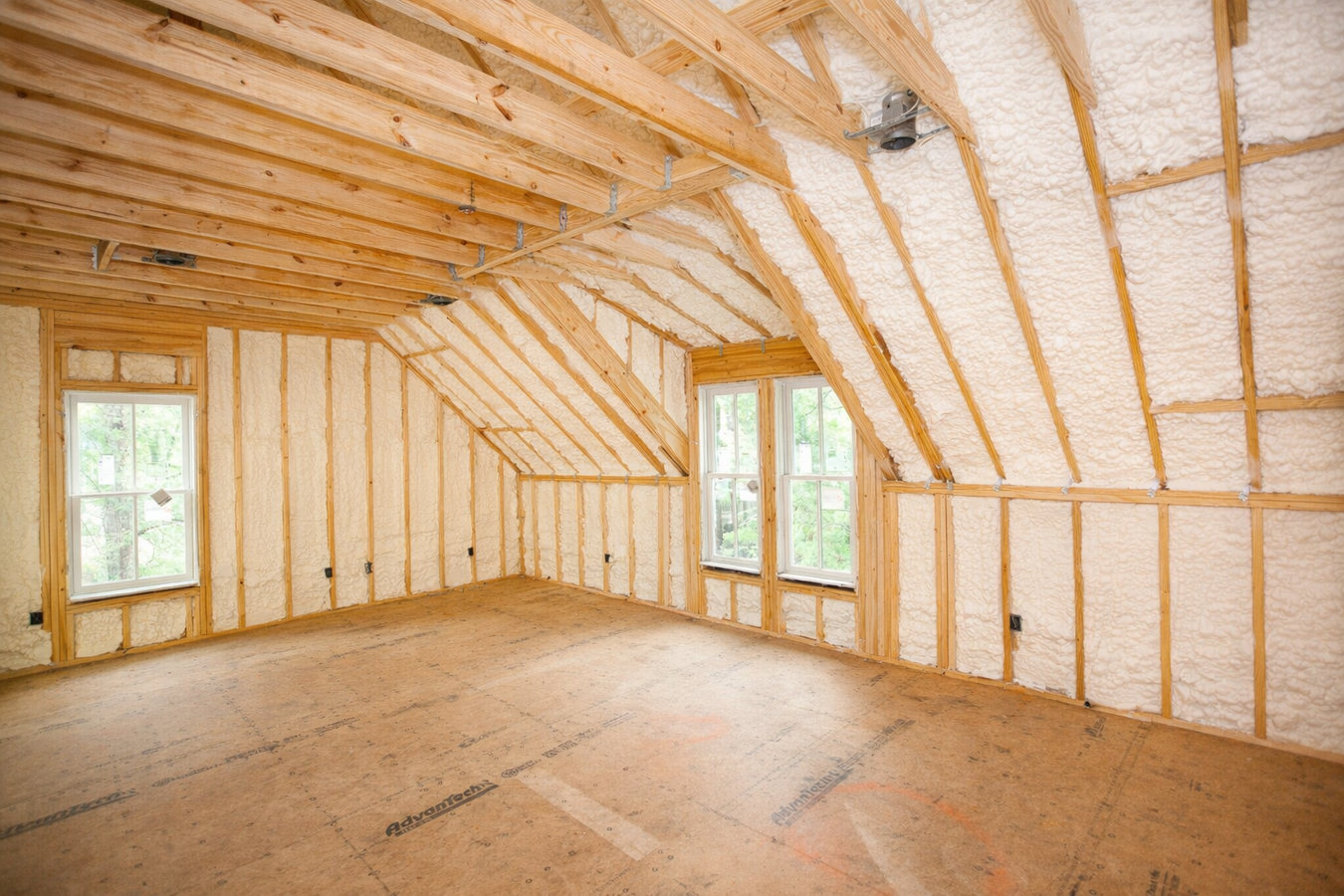
Stop cold air from sneaking through every crack and gap. Open-cell foam fills the voids that batts miss, giving your home a tight seal that holds warmth through a Minot winter.
Open-cell foam insulation in Minot fills every gap, crack, and irregular void it touches - most attic or rim joist jobs are completed in a single day, with a 24-hour cure window before re-entry.
When temperatures drop below zero in Minot and stay there for days, small air leaks in your walls, attic, and rim joists let cold in constantly. Fiberglass batts resist heat, but they do not seal those gaps. Open-cell spray foam does both - it insulates and creates a continuous air barrier in one pass. For older Minot homes with irregular framing and compressed original insulation, that combination makes a real difference.
If you are comparing your options, open-cell foam pairs well with a broader spray foam insulation approach - your contractor can help you decide which type fits each area of your home.
If your gas or propane bill has crept up year over year without any change in your habits, your insulation is losing ground against Minot winters. Heat escapes fastest through attics and rim joists - exactly the areas where aging insulation tends to fail first. A steady rise in winter energy costs is one of the clearest signals that your home's envelope needs attention.
If one bedroom or a corner of your living room stays noticeably colder than the rest of the house, cold air is almost certainly getting in somewhere nearby. In Minot winters, that kind of cold spot means your furnace is fighting harder than it should. Spray foam seals the gaps causing that air infiltration in a way that fiberglass batts simply cannot match.
Hold your hand near an electrical outlet on an exterior wall on a cold Minot day. If you feel cool air moving, the wall cavity behind it is not properly sealed. The same goes for drafts near window frames, at the base of exterior doors, or along baseboards - these are signs air is moving freely through gaps that insulation should be blocking.
A properly insulated attic should be cold in winter - that is actually correct. But it should not feel like standing outside. If you notice wind movement up there, frost on the underside of the roof deck, or old insulation that has shifted into thin patches, your attic is not doing its job. In Minot's climate, an under-insulated attic is one of the fastest ways to lose heat and money simultaneously.
We install open-cell foam in attics, interior walls, rim joists, and other areas where air sealing is the primary goal. Open-cell foam expands up to 100 times its sprayed volume, filling cavities that batts leave partially empty - especially in older Minot homes where framing is irregular. For areas with significant moisture exposure or where the highest possible R-value per inch is needed, we also offer commercial insulation solutions and closed-cell foam as part of a full building envelope approach.
One of the most underrated benefits of open-cell foam is sound absorption. Because it is soft and porous, it dampens sound between rooms and from outside - a noticeable improvement homeowners often mention after installation. We work methodically through each area and walk you through the finished work before anything gets covered up.
Ideal for finished attic floors and attic bypasses where air movement is the main problem to solve.
Suits homeowners who want soundproofing between rooms along with a tighter thermal envelope.
One of the fastest payback applications - open-cell foam fills the gap at the base of your walls where cold enters.
Best for Minot homes rebuilt after 2011 that may have received rushed or below-standard insulation during repairs.
Suited to homes built before 1980 with irregular framing that leaves gaps batts cannot fill completely.
Open-cell on interior surfaces paired with closed-cell on exterior walls for homeowners wanting a complete solution.
Minot regularly sees temperatures below -20 degrees F, and the city sits in one of the coldest climate zones in the continental United States. Most of the residential neighborhoods here were built in the mid-20th century, and many of those homes were insulated with materials that have settled, compressed, or never met modern standards. Older framing tends to have more irregular gaps and voids than newer construction - exactly where spray foam outperforms batts. If your home was built before 1980 and has never had an insulation upgrade, there is a good chance heat is leaving through gaps that fiberglass cannot seal.
We work across the region, including homeowners in Rugby and Bottineau, but Minot is our base and where we know the local housing stock best - from the post-flood rebuilds near the Souris River to the ranch-style homes that make up most of the city's older neighborhoods.
We respond within 1 business day. We will ask a few simple questions about your home and what you are noticing - no technical knowledge required from you.
A contractor visits your home, looks at the attic, walls, or crawl space, and measures the space. You receive a written estimate before anything starts - no verbal guesses.
Before the crew arrives, you will move stored items out of the area being insulated. On the day of the job, you and your family need to leave for the duration of the spray work.
Spraying is fast - the foam expands and hardens within seconds of application. After 24 hours it is fully cured. The contractor walks you through the finished work before anything is covered up.
We respond within 1 business day. Free estimates, no pressure.
(701) 498-6599A significant share of Minot homes were built in the 1950s through 1970s with framing and gaps that newer-construction contractors are not used to seeing. We have worked on enough of these homes to know exactly what to look for and how spray foam performs in them.
You will never receive a verbal price and be surprised by the bill. Every job starts with a written estimate that explains what work is being done, what materials are used, and what the total cost will be. The Spray Polyurethane Foam Alliance sets professional standards for this industry - ask your contractor if they follow them.
We give you the re-entry time in writing before the crew arrives - not after the foam is already sprayed. According to EPA guidance, staying out of the treated space for at least 24 hours is required for safe curing. We do not cut this step short.
Thousands of Minot homes were rebuilt or heavily renovated after the 2011 Souris River flood, and not all of those jobs got the insulation they deserved. We have worked on a number of those homes and know what to check when a post-flood renovation may have left gaps behind.
We are based in Minot and have worked across this region long enough to know what a Minot winter does to a home with gaps in its envelope. Every job we take on is one we are willing to put our name behind.
Insulation solutions for offices, retail spaces, and commercial buildings across the Minot region.
Learn more →Compare open-cell and closed-cell foam options to find the right fit for every area of your home.
Learn more →Heating season in Minot is long. The sooner your home is sealed, the sooner you start saving - call or submit a request today.