
Loading...
Serving Minot, ND and surrounding areas. (701) 498-6599
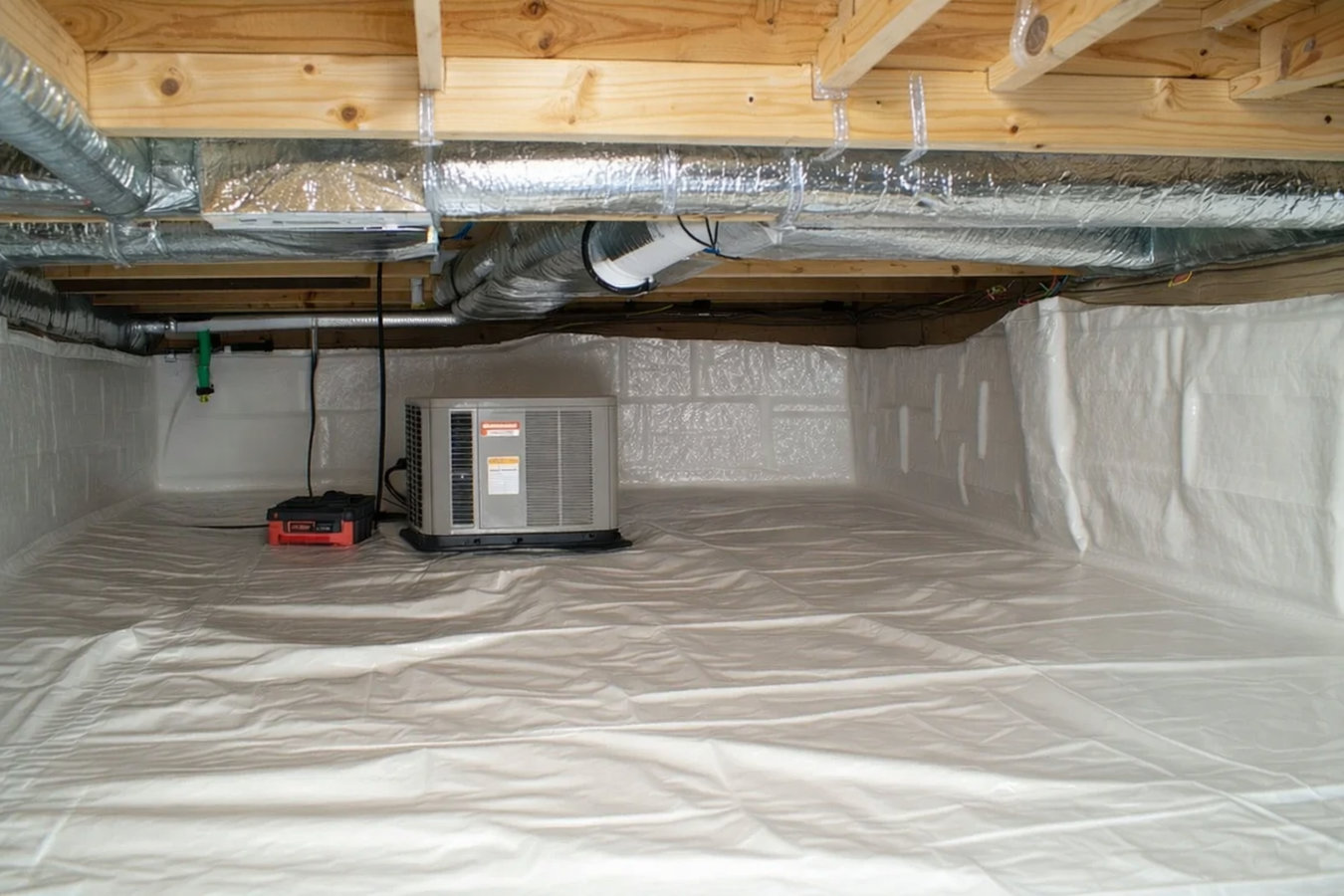
Cold floors, frozen pipes, and climbing heating bills often trace back to an uninsulated crawl space. We fix that - fully and correctly, for Minot winters.
Crawl space insulation in Minot acts as a thermal blanket between the frozen ground and your living floors - most installations take one to two days and the difference is noticeable within the first cold snap. Without it, cold air rises through your floors in winter, your furnace runs overtime, and your pipes sit exposed to temperatures that can drop well below freezing. That is not a comfort issue - it is a real risk of burst pipes and a sustained drain on your heating budget.
A large share of Minot homes were built in the 1940s through the 1970s, when crawl space insulation standards were minimal or nonexistent. If your home is more than 30 years old and the crawl space has never been touched, there is a good chance cold air is rising through your floors every winter. Crawl space insulation works best when it is part of a complete moisture and air strategy - which is why it pairs well with a crawl space vapor barrier and, if wall air leaks are an issue, with wall insulation for the rest of the envelope.
If walking across your kitchen or living room floor in January feels noticeably cold through your socks, cold air is rising from an uninsulated or under-insulated crawl space below. In Minot winters, this means your furnace is working harder than it should to keep up. It is one of the most common and easiest-to-notice signs that the crawl space needs attention.
If your gas or electric bills have been climbing over the past few winters and nothing obvious has changed, heat loss through the crawl space is a likely culprit. Minot's long heating season means even a modest amount of heat escaping through the floor adds up to real money over five or six months. A crawl space inspection can quickly confirm whether insulation is the issue.
A damp, musty odor coming from your floor registers or near the crawl space access is often a sign of moisture buildup below. In Minot homes that were affected by the 2011 flooding, or that sit in low-lying areas, this can indicate mold or wood rot has been developing. Moisture problems need to be addressed before insulation work begins - putting insulation over a damp crawl space makes the problem worse.
If a plumber has ever found frozen pipes in your crawl space, or if you have had reduced water pressure during a cold snap, your crawl space is not adequately protected from Minot's extreme temperatures. Proper insulation and air sealing can keep the space warm enough to protect your pipes and prevent the kind of burst-pipe emergency that can cost thousands to repair.
We offer two main approaches to crawl space insulation, and the right one depends on your home. Floor joist insulation places material between the wooden beams directly under your living area, keeping heat inside the home while the crawl space itself remains vented. Full crawl space encapsulation seals the walls, floor, and vents so the entire space becomes a protected, semi-conditioned zone - more effective in extreme cold and better for pipe protection. Both approaches include a pre-installation moisture check and vapor barrier work where needed. We do not skip that step, because insulating over a moisture problem just traps it.
Many homes benefit from combining crawl space insulation with a proper crawl space vapor barrier to manage ground moisture, or with wall insulation to close off the rest of the thermal envelope. We will tell you honestly what your home needs and what it does not - no upselling on work that will not make a real difference in your situation.
Best for vented crawl spaces where the goal is keeping heat inside the living area - a straightforward, cost-effective upgrade for most older Minot homes.
Ideal for homes with ongoing moisture issues, pipes that have nearly frozen, or very cold floors that do not improve with floor joist insulation alone.
Right for any crawl space with ground moisture concerns - installed as part of the insulation job to prevent future damage to the new insulation and the structure above.
For crawl spaces where cold air is entering through gaps around pipes, beams, or the foundation - sealing these before insulating significantly improves results.
Minot regularly sees temperatures drop below -20 degrees F, and the heating season stretches from October through April. The frost can penetrate 5 to 6 feet into the ground in a hard winter, which means the cold is not just on the surface - it is pressing up from below. An uninsulated crawl space in this climate is not just an efficiency problem. It is a pipe risk, a comfort problem, and a significant financial drain over a winter that lasts six months. According to the U.S. Department of Energy, properly insulating and air-sealing a crawl space can reduce heating and cooling costs by 10 to 20 percent - and in a climate like Minot's, that savings adds up fast.
The 2011 Souris River flood left a lasting moisture legacy in neighborhoods near the river, and homes that were repaired at the time may not have had the crawl space addressed properly. Freeze-thaw cycles each spring and fall also shift foundation walls over time, creating new gaps where cold air can enter. Homeowners in Hazen and Beulah face the same combination of aging housing stock and extreme winters, and we work in both communities regularly. The problems are the same - the fix is the same.
We respond within 1 business day. A quick call to ask a few basic questions - home age, any known moisture issues, what you are currently experiencing. No commitment, no pressure.
We access the crawl space and assess what is there, check for moisture or mold, and look at the vapor barrier condition. You receive a written estimate that breaks down what work is recommended and what it costs - before anything is agreed to.
We install the vapor barrier if needed, seal air gaps around pipes and beams, and put in the insulation. The work stays contained to the crawl space. We clean up any debris before leaving.
Before we leave, we walk you through what was done - photos, plain-language explanation, and what to watch for going forward. Within the first cold snap, you should notice warmer floors and less furnace cycling.
We respond within 1 business day and come out to look at your specific crawl space before recommending anything. No obligation, no pressure - just an honest assessment and a written estimate. Someone from our team will call to schedule a time that works for you.
(701) 498-6599We inspect for standing water, condensation, and vapor barrier condition before we recommend or install anything. Insulating over a moisture problem traps it and causes more damage. We have seen the results of that approach - we do not repeat it.
Every crawl space job starts with a free written estimate that spells out the scope, materials, and final R-value. You know exactly what the work involves and what it costs before we start, with no surprises once the crew is under the house.
We work across Minot and 11 surrounding communities, which means we have experience with a wide range of home ages, crawl space configurations, and flood histories. That context matters when assessing a crawl space that has never been properly insulated - or that has been through a North Dakota winter for 60 years.
Crawl space insulation typically requires a building permit in Minot because it changes the home's thermal envelope. We pull the permit on your behalf as part of the job. A permitted job is documented, protects you at resale, and confirms the work meets the city's current standards.
Every one of those points matters for the same reason: a crawl space that is done right protects your home for 20 to 30 years. A job that cuts corners shows up in your heating bills, your pipe repairs, and your home inspection when you go to sell. We do not cut corners.
A vapor barrier is often the first step before insulating - it manages ground moisture and protects your new insulation from the bottom up.
Learn more →Close off the rest of the thermal envelope by insulating exterior walls - the natural complement to a properly insulated crawl space.
Learn more →Minot's heating season is long and unforgiving - schedule your free crawl space assessment this week and protect your floors, pipes, and heating bills before the cold arrives.